

Not directly. Rich snippets don’t push a page up the rankings on their own, but the data shows they can significantly increase how often people click your result once it’s already ranking, and that behaviour feeds back into overall SEO performance over time.
If you’re building out a Search Engine Optimization (SEO) strategy, it’s worth understanding exactly what rich snippets do and don’t do, because the two effects get mixed up constantly.
The ranking effect vs. the click effect
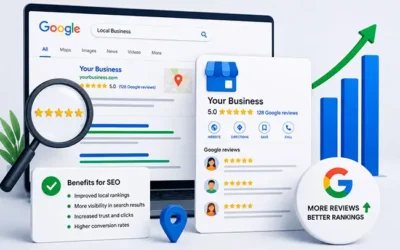
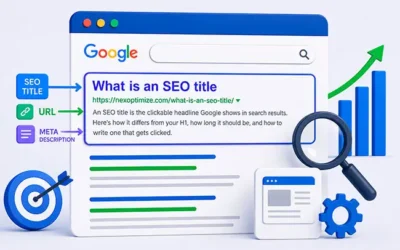
Structured data, the code behind rich snippets, isn’t a confirmed Google ranking factor. Adding schema markup to a page doesn’t move it from position eight to position two. What it can do is change how that listing looks once it’s already there, adding star ratings, prices, availability, event dates, or FAQs directly into the search result.
That visual difference matters more than it sounds. A listing with stars and a price stands out next to five plain blue links, and standing out is what drives the click.
What the numbers actually show
A few figures come up repeatedly across studies and case data:
- Analysis covering millions of search queries has found rich results earning a 58 percent click-through rate compared to 41 percent for standard listings.
- In case studies Google itself has published, Rotten Tomatoes measured a 25 percent higher click-through rate on pages using structured data, while Nestlé reported an 82 percent higher click-through rate on its rich result pages.
- Other reporting on the same trend points to click-through rate increases in the range of 15 to 30 percent once structured data is properly implemented.
The range is wide because results depend on the industry, the type of rich result, and how well the underlying content matches what people are searching for. But the direction is consistent across nearly every dataset: more clicks, not necessarily higher rankings.
Why the click effect still matters for SEO
Rankings and clicks aren’t as separate as they sound. A higher click-through rate brings more qualified visitors to a page, and those visitors tend to engage longer and convert better because they already knew what to expect before clicking. Search engines track that kind of engagement, and while click-through rate isn’t a confirmed direct ranking signal, sustained user engagement is part of the broader picture search engines use to judge relevance over time.
So the honest answer is this: rich snippets help SEO indirectly, through visibility and clicks, not through a direct ranking boost. Treating them as a shortcut to page one leads to disappointment. Treating them as a way to win more clicks at the position you already hold is the accurate, useful way to think about them.
Getting rich snippets to actually show up
Adding structured data doesn’t guarantee a rich result will appear. Google decides that based on content quality, markup accuracy, and eligibility for that specific type of result. The pages that succeed usually have three things in common: clean, valid schema markup, content that genuinely matches what the markup describes, and a page that’s already reasonably well optimised on the technical side.
FAQs
Do rich snippets directly improve Google rankings?
No. Structured data makes a page eligible for an enhanced listing, but it isn’t a confirmed direct ranking factor. Its main measurable effect is on click-through rate, not position.
How much can rich snippets improve click-through rate?
Reported gains vary widely depending on the study and industry, ranging from around 15 percent to over 80 percent in some case studies. Most businesses see improvements somewhere in the 20 to 30 percent range.
Is adding schema markup worth it if it doesn't boost rankings directly?
Yes. More clicks at the same ranking position means more traffic and often better quality traffic, since visitors already know what to expect before they click. That can support stronger engagement signals over time.
How long does it take for rich snippets to appear after adding structured data?
It varies. Some pages see rich results within days of being indexed, while others take several weeks. Google also decides whether to display the rich result at all, even with valid markup in place.
Do all pages qualify for rich snippets?
No. Only certain content types, like recipes, products, reviews, events, and FAQs, are eligible for specific rich result formats. The markup also needs to accurately reflect the visible content on the page.